 Article
How to Prepare Import Documents Without Delays
A practical guide to organizing declarations, invoices, and supporting documents before cargo reaches the border.
Read full article
How to Prepare Import Documents Without Delays
A practical guide to organizing declarations, invoices, and supporting documents before cargo reaches the border.
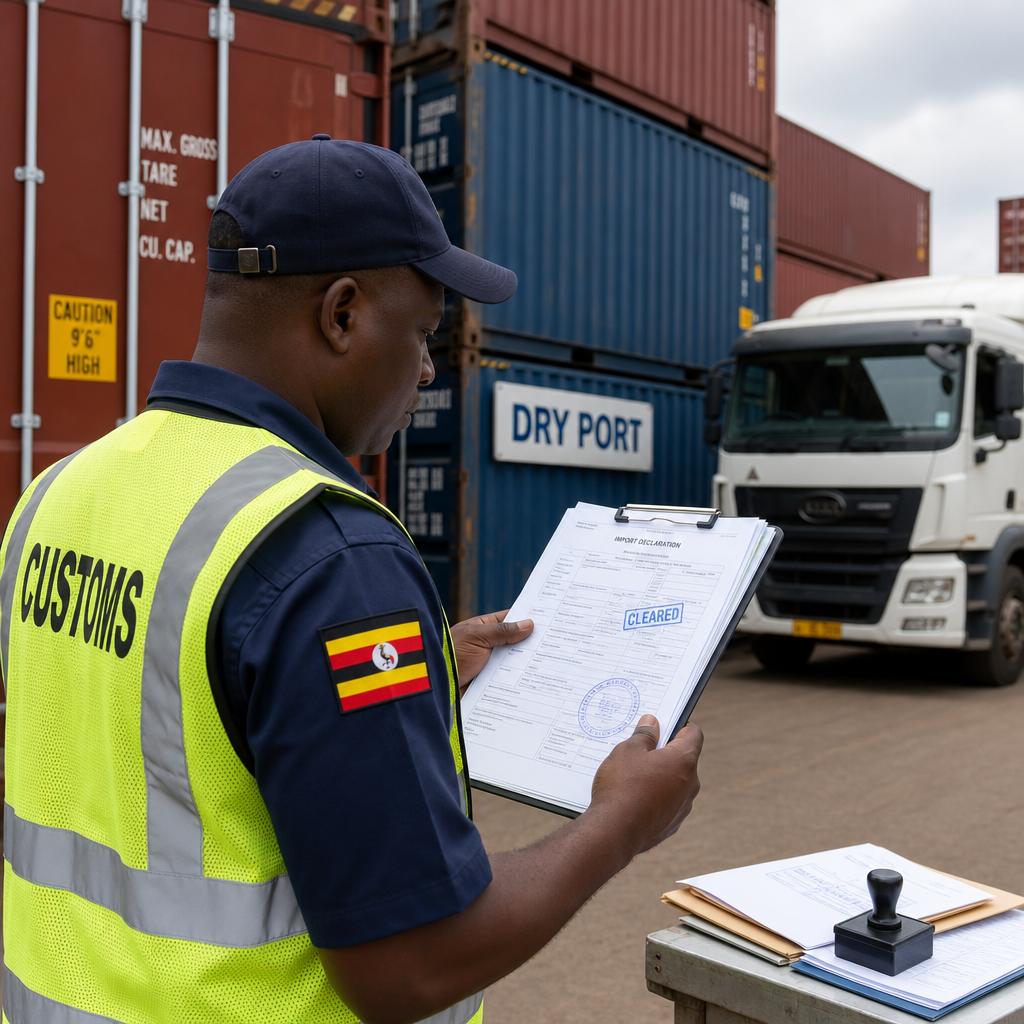
Strong import preparation starts before cargo even moves. Businesses that wait until a shipment is already in transit often create pressure around customs review, missing documentation, and avoidable delays. A better approach is to treat documentation as part of the shipment plan, not as an afterthought.
Begin with a complete file for every shipment: commercial invoice, packing list, transport reference, applicable permits, and any supporting compliance documents relevant to the goods. Each document should match the others on product descriptions, quantities, values, and consignee details. Small inconsistencies can create unnecessary checks that slow release.
It is also helpful to prepare an internal checklist before submission so teams confirm that names, codes, and declared values are aligned. Once documents are organized, communication matters just as much as paperwork. Share key references early with your logistics partner, confirm whether any product-specific approvals are required, and verify expected timing for submission.
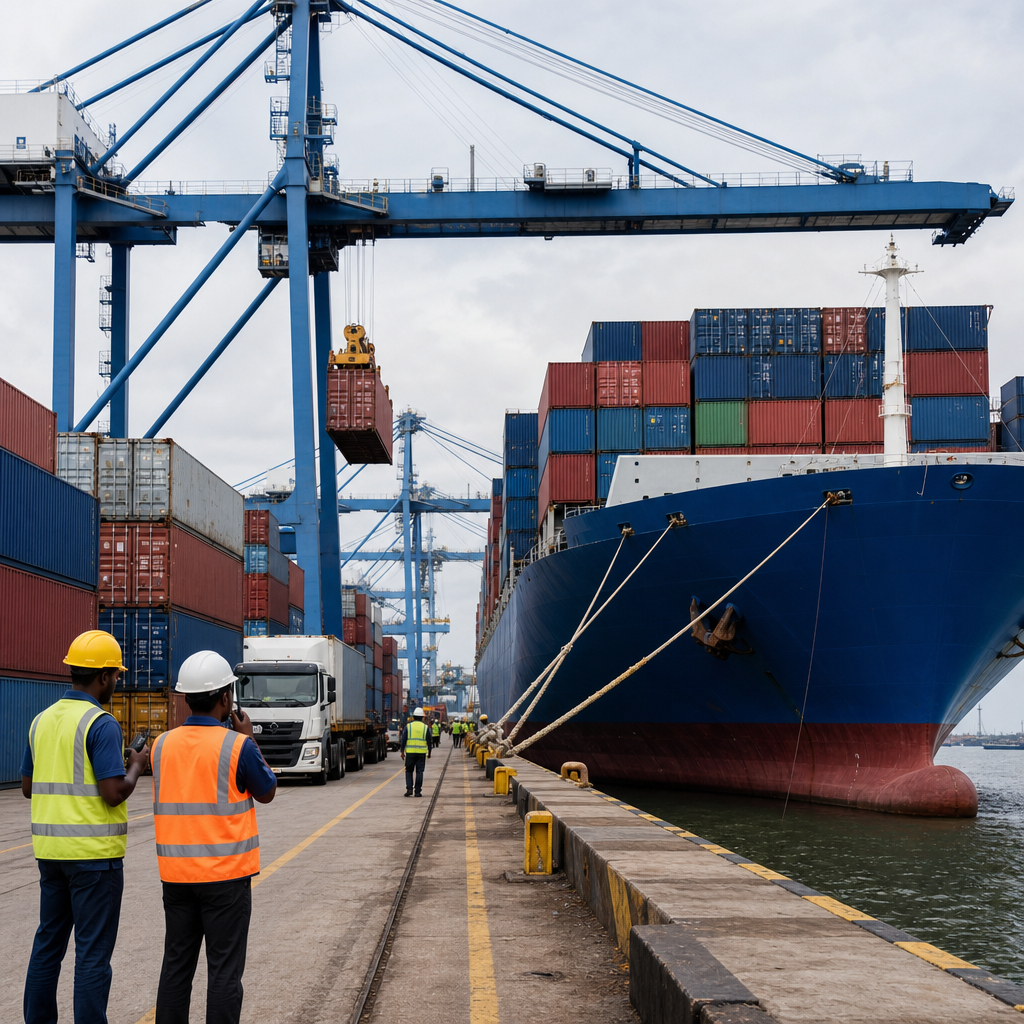
If a business regularly imports similar goods, it should standardize recurring documentation practices so each new shipment starts from a clearer template. This reduces dependence on last-minute corrections and improves confidence during customs processing. Better preparation does not remove every possible delay, but it greatly reduces preventable ones. In busy trade environments, organized documentation often becomes the difference between smooth release and expensive waiting time.